How To Make An Amazing Instagram Video About Traditional Fireplaces UK


The Timeless Appeal of Traditional Fireplaces in the UK
Traditional fireplaces have long been integral to homes across the United Kingdom, transcending mere utility to become focal points of warmth, convenience, and visual appeal. This short article digs into the long-lasting appeal of traditional fireplaces, exploring their history, style variations, setup considerations, and their modern-day importance.
Historic Significance of Fireplaces
The fireplace has actually played a central function in British homes because medieval times. Initially, they were vital for heating and cooking. Over the centuries, with the advent of central heating and technological improvements, fireplaces have transformed into signs of heritage and design.
Secret Historical Milestones
| Date | Turning point | Description |
|---|---|---|
| 12th Century | Introduction of Chimneys | Permitted indoor fireplaces to be common, enhanced ventilation. |
| 16th Century | The Renaissance influence | Fireplaces ended up being more ornamental, showing the period's styles. |
| 18th Century | The Georgian Era | Developed elaborate mantels made from wood and stone. |
| 19th Century | Victorian Era | Intro of cast-iron and tiled fireplaces. |
| 20th Century | Decline and Modern Design | Shift towards gas and electric, with some revival of traditional styles. |
Kinds Of Traditional Fireplaces
While contemporary styles focus on minimalism, traditional fireplaces typically exemplify detailed craftsmanship and historical significance. Here are some popular types of traditional fireplaces commonly discovered in the UK:
Open Hearth Fireplaces
- Defined by a large opening and normally built from brick or stone.
- Offers a cozy ambiance and the noise of crackling flames.
- Requires an appropriate flue to reroute smoke outdoors.
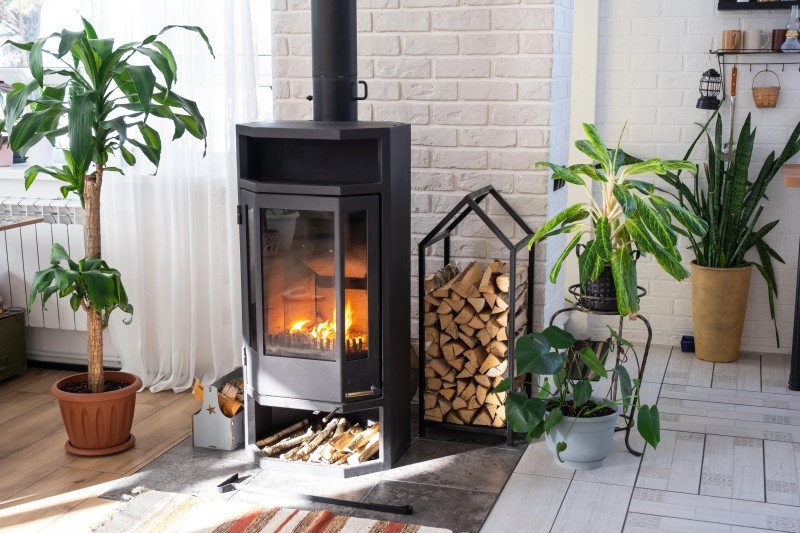
Wood-Burning Stoves
- Enclosed units that burn wood for heat, frequently including a glass door.
- More efficient than open hearths, offering better heat retention.
- Offered in numerous styles, from rustic to contemporary.
Cast Iron Fireplaces
- Popular in the Victorian age, known for elaborate styles.
- Resilient and distinguished for exceptional heat conduction.
- Typically function complex patterns or themes, enhancing aesthetic appeal.
Tiled Fireplaces
- Typically embellished with ornamental tiles, these fireplaces display creative flair.
- Common in the 19th century, tiles can feature scenes or flower designs.
- Typically matched with wood or cast iron components.
Marble Fireplaces
- Distinguished for their elegance, these fireplaces are typically customized.
- Marble offers a glamorous surface and matches different interior styles.
- They need mindful installation due to their weight.
Table: Comparison of Traditional Fireplace Types
| Fireplace Type | Heat Efficiency | Aesthetic Appeal | Upkeep Needs | Fuel Type |
|---|---|---|---|---|
| Open Hearth | Low | High | High (chimney cleansing) | Wood |
| Wood-Burning Stove | High | Moderate | Moderate (wood supply) | Wood |
| Cast Iron | High | High | Low | Wood/Gas |
| Tiled | Moderate | Extremely High | Low (if non-usable) | N/A |
| Marble | Moderate | Extremely High | Moderate | N/A |
Considerations for Installing a Traditional Fireplace
Installing a traditional fireplace can boost a home's character however includes specific considerations. Here are some points property owners ought to keep in mind:
- Building Regulations: Always check local structure codes and guidelines. Installation might require permission, particularly if structural adjustments are required.
- Material Selection: Choose products that match the home's architecture and personal style. Think about practicality alongside visual appeal.
- Ventilation: Ensure correct ventilation through a chimney or flue to prevent smoke and gases from collecting inside your home.
- Safety Precautions: Install carbon monoxide gas detectors and ensure all precaution are in location, particularly if utilizing wood-burning choices.
- Professional Installation: Engage a qualified specialist to make sure safe and efficient setup, abiding by security requirements.
Benefits of Traditional Fireplaces
Despite the increase of modern heating services, traditional fireplaces stay precious for numerous reasons:
Aesthetic Charm
- Includes character to any space.
- Functions as a social centerpiece, improving gatherings.
Mental Comfort
- Provides warmth not just physically however emotionally.
- Develops a cozy environment perfect for relaxation.
Worth Addition to Property
- Enhances the appeal of a home to prospective purchasers.
- Often increases property worth due to their desirability.
Environmental Considerations
- Wood can be a renewable resource when sourced sustainably.
- Traditional fireplaces can contribute less to energy bills compared to electric systems.
Often Asked Questions (FAQs)
1. Are traditional fireplaces energy efficient?
While traditional fireplaces might not be as energy-efficient as modern heater, improvements in style, such as the setup of glass doors, can boost their performance. Wood-burning ranges are especially understood for being more effective than open hearths.
2. How often should traditional fireplaces be cleaned?
Chimneys should be inspected and cleaned a minimum of once each year, especially if the fireplace is used regularly. This avoids creosote accumulation, which can lead to chimney fires.
3. Can I use a traditional fireplace for gas heating?
Yes, traditional fireplaces can often be converted to utilize gas. This involves installing a gas line and might need a conversion package depending upon the fireplace design.
4. What are the very best fuels for wood-burning fireplaces?
Experienced woods such as oak, hickory, or maple are recommended for wood-burning fireplaces as they burn hotter and longer than softwoods.
5. Can traditional fireplaces be utilized in modern homes?
Definitely! Many modern styles include traditional aspects, enabling an unified blend of styles. Furthermore, Large Fireplaces can include a special touch to contemporary homes.
From their historic significance to their modern-day importance, traditional fireplaces remain an essential feature in numerous UK homes. Their enduring appeal is not only rooted in their functionality however also in the heat and appeal they provide. Whether one go with a classic open hearth or a magnificently tiled fireplace, the option adds to developing an inviting environment where memories can be made. As house owners end up being more mindful of looks and fond memories, traditional fireplaces are poised to keep their appeal for generations to come.